At Milele Security, we take pride in offering a comprehensive array of security services tailored to meet the diverse needs of our clients. Whether you are a corporate entity or a high-profile VIP, our mission is to provide you with an unparalleled experience in safeguarding not only your personal safety but also your valuable assets. Our commitment to excellence ensures that your status remains elevated and secure.
Our highly trained security team is dedicated to working around the clock, employing the latest strategies and technologies to ensure your utmost protection. We understand the importance of peace of mind, and that’s why our professionals are always on alert, meticulously monitoring every detail to provide you with the most effective security solutions. At Milele Security, your safety and satisfaction are our top priorities, and we strive to exceed your expectations at every turn.
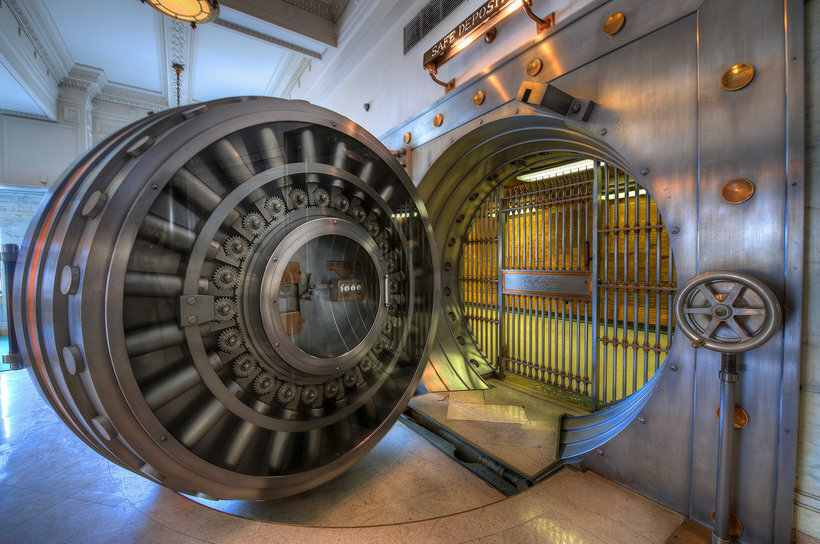
Precious Ceramics, Jewelry and Stones
We design and promote ceramic storage solutions that combine durability, artistry, and security for high-value items such as jewellery and gemstones. These storage pieces serve both functional and aesthetic roles, protecting valuables while elevating their presentation.
Key Features
- Material Excellence
- Crafted from high-quality ceramics, ensuring resistance to scratches, moisture, and temperature fluctuations.
- Non-reactive surfaces prevent tarnishing of metals and stones.
Design & Craftsmanship
- Incorporates artistic glazing, textures, and finishes that reflect luxury and cultural heritage.
- Customizable compartments tailored for rings, necklaces, bracelets, and loose gemstones
Security & Functionality
- Reinforced ceramic structures with lockable lids or hidden mechanisms.
- Soft interior lining (velvet, suede, or silk) to cushion delicate items.
- Modular designs for collectors and traders to organize inventory.
Applications
- Personal Use: Elegant storage boxes for households, collectors, and enthusiasts.
- Commercial Use: Premium packaging for jewellers, gemstone traders, and luxury brands.
- Cultural/Artistic Value: Fusion of ceramic artistry with jewellery presentation, appealing to high-end markets.
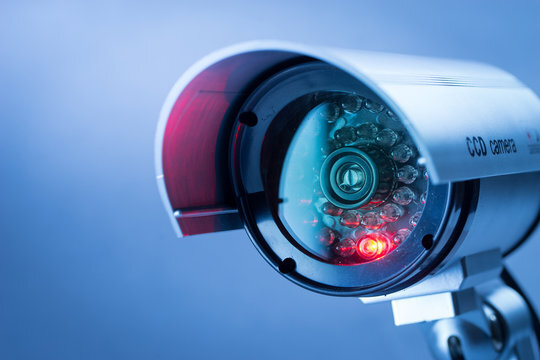
CCTV & Alarm Systems
CCTV and alarm systems are essential tools for modern security, combining surveillance with proactive alerts to protect property, assets, and people. They work together to deter crime, monitor activities, and provide rapid response in case of intrusion or emergencies.
Key Components
Cameras
- IP Cameras: Digital, high-resolution (up to 4K), support remote access, AI features like facial recognition.
- Analog Cameras: Older technology, paired with DVRs, still used in legacy setups.
- Types: Bullet (outdoor, visible deterrent), Dome (discreet indoor use), PTZ (pan-tilt-zoom for wide coverage), Wireless (flexible placement).
Recording Devices
- DVR (Digital Video Recorder)-Works with analog cameras.
- NVR (Network Video Recorder)-Works with IP cameras, supports cloud storage.
- Monitors & Transmission Systems: Real-time viewing, secure data transfer, often integrated with IoT and AI analytics.
Advanced Features
- Motion detection, facial recognition, license plate reading.
- Remote monitoring via smartphones/web browsers.
- AI-powered analytics for predictive risk detection.
Alarm Systems
Components
- Sensors: Detect motion, glass breakage, door/window opening.
- Control Panel: Central hub that processes signals and triggers alarms.
- Sirens & Alerts: Audible alarms plus notifications to owners or security services.
- Integration: Modern systems link with CCTV, mobile apps, and even smart home devices.
Advanced Features
- Wireless connectivity for easy installation.
- Smart alerts via SMS, email, or push notifications.
- Integration with fire, gas, or flood sensors for comprehensive safety.
️ Combined Benefits
- Deterrence: Visible cameras and alarms discourage intruders.
- Evidence Collection: CCTV provides video proof for investigations.
- Rapid Response: Alarm systems trigger immediate alerts, reducing risk.
- Scalability: Systems can expand from small homes to large corporate facilities.
- Cost Range: A basic 4-camera CCTV setup costs between $600–$1600, while alarm systems vary depending on sensor types and integration.
Our Strategic service Cases
- Residential: Protect homes with indoor/outdoor cameras and intrusion alarms.
- Commercial: Monitor warehouses, offices, and retail stores for theft or fraud.
- Industrial/Logistics: Track goods in real time, ensure compliance, and minimize losses.
- Public Spaces: Enhance safety in schools, malls, and transport hubs.
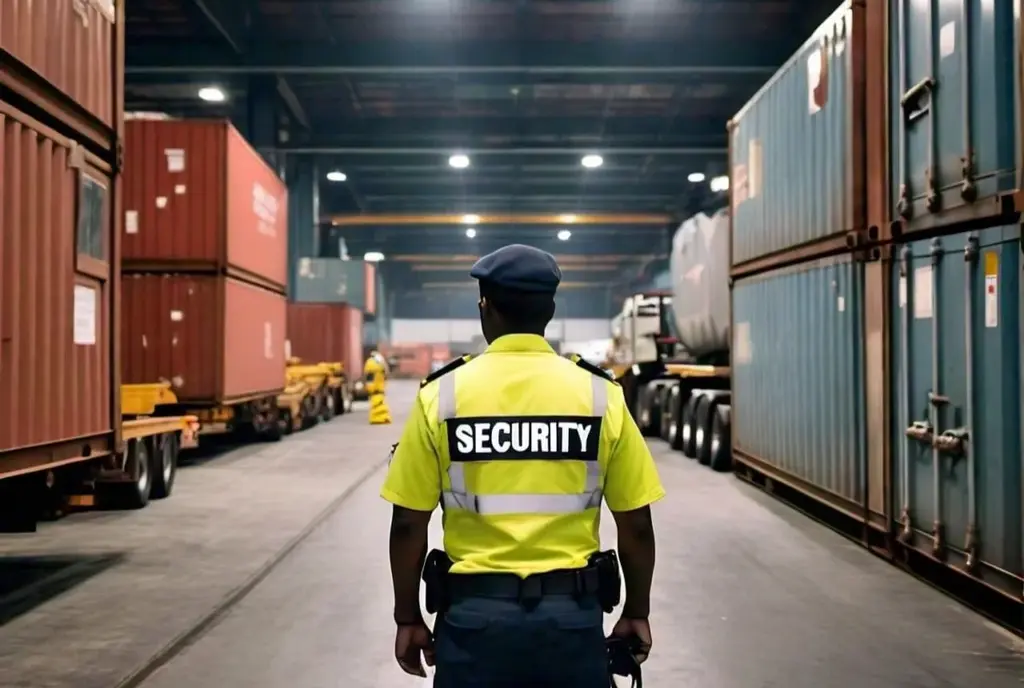
Manned Guarding
We deploy trained security personnel to protect people, property, and assets. Unlike electronic systems (CCTV, alarms), it provides a physical presence that can deter threats, respond in real time, and offer reassurance to clients and the public.
Manned guarding remains indispensable in high-risk environments or where human interaction is critical. It complements technology by adding judgment, adaptability, and presence, making it a cornerstone of holistic security strategies.
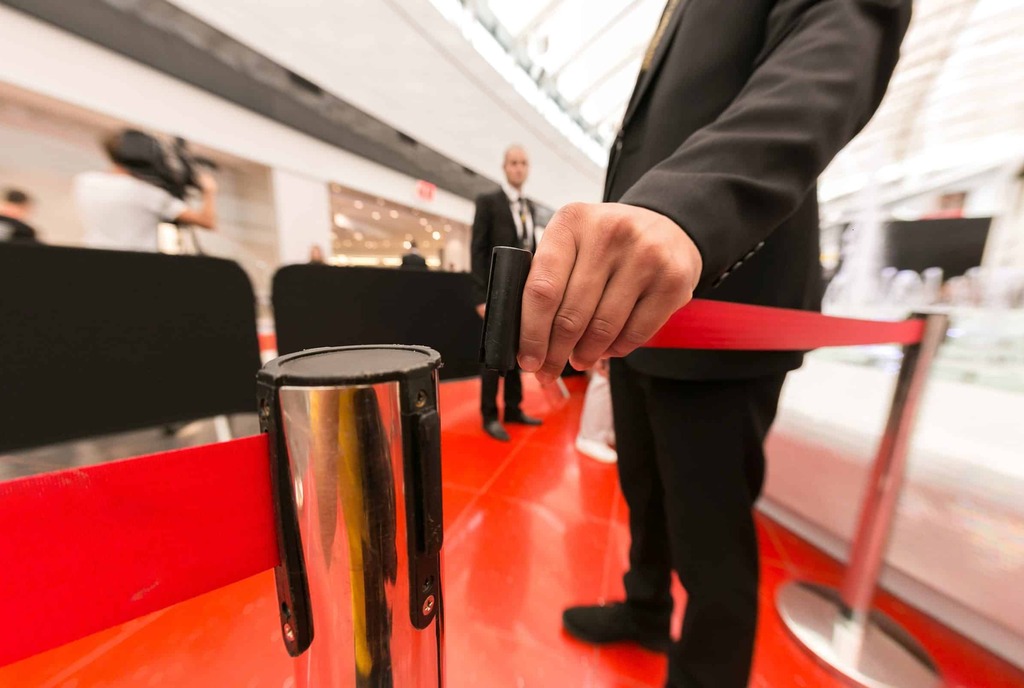
Event Security
Event security involves planning, coordinating, and deploying measures to protect attendees, staff, and assets during public or private events. It combines manned guarding, surveillance, crowd management, and emergency response to create a safe environment.
Event security is not just about preventing incidents — it’s about creating confidence. Attendees feel safe, organizers avoid liability, and the event’s reputation is elevated. For a security agency like Milele Security, offering event security positions you as a trusted partner for both corporate and private clients.
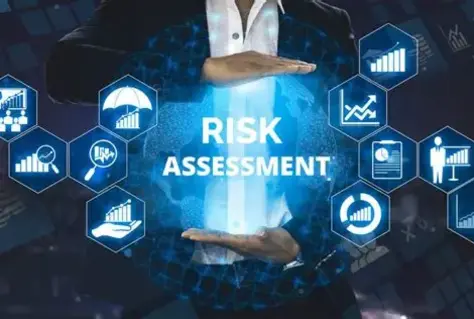
Risk Assesment
Risk assessment is the systematic process of identifying, analyzing, and evaluating potential threats that could negatively impact people, assets, operations, or reputation. It helps organizations make informed decisions, prioritize resources, and implement effective safeguards.
Identify Risks
Analyze Risks
Evaluate & Prioritize
Implement Controls
Monitor & Review
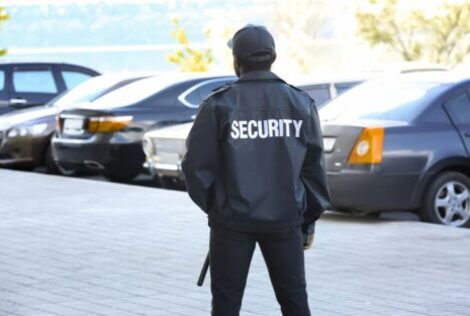
VIP SECURITY
Risk assessment is the systematic process of identifying, analyzing, and evaluating potential threats that could negatively impact people, assets, operations, or reputation. It helps organizations make informed decisions, prioritize resources, and implement effective safeguards.
Identify Risks
Analyze Risks
Evaluate & Prioritize
Implement Controls
Monitor & Review
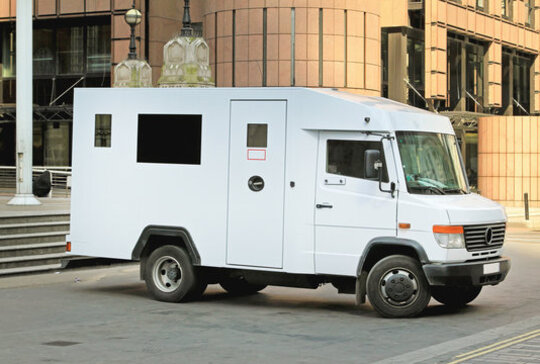
CARGO TRANSPORT
Cargo transport refers to the movement of goods and commodities across local, regional, and international routes using various modes of transportation. It is the backbone of trade and supply chains, ensuring timely, secure, and efficient delivery of products.
Road Transport
Rail Transport
Air Transport
Sea Transport
Cargo transport is not just about moving goods — it’s about trust, reliability, and global connectivity. For companies like Edicallo Logistics, offering secure and efficient cargo transport builds credibility and positions you as a partner in global trade.

